
合肥蜀山区,一家成立仅一年多的科创企业,刚刚拿到资本市场的接力棒。合肥大白机器人技术有限公司近期完成A轮融资,投资方为九纬资产。这家皖企把全部重心压在了AI养老康养机器人这条赛道上。
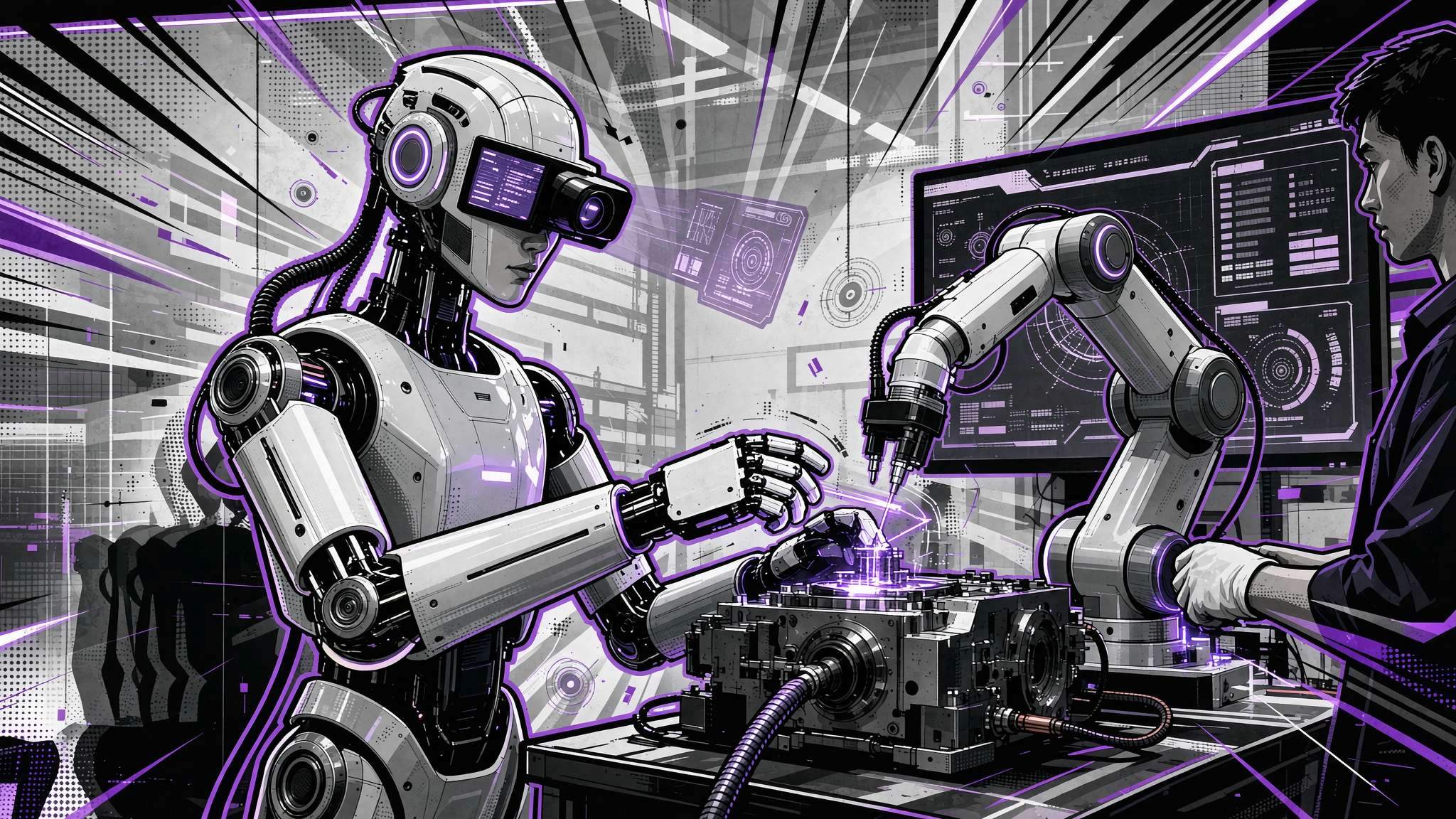
In Shushan District, Hefei, a tech company founded just over a year ago has just picked up the baton from the capital market. Hefei Dabai Robotics Technology Co., Ltd. recently completed a Series A funding round, with Jiuyi Assets as the investor. This Anhui company has placed its entire focus on the AI elderly care and health robotics track.
不同于市面上不少只主打语音聊天的陪伴机器,大白机器人想做的是24小时在岗的智能陪护员。它的第二代感知陪伴机器人搭载多组传感器,可以在室内自主移动,同时配套物联网健康监测系统与数字化管理平台,产品瞄准养老机构、社区养老中心,还有千千万万居家高龄老人。公司核心研发团队来自中科大,把多模态感知、情感计算技术直接嵌入真实养老场景,而不是停留在展厅的演示效果里。创始人贺葵本身拥有多年产业孵化与企业运营的实务经验,过往深耕安徽本地科技产业,在2025年选择切入养老赛道,亲自把控产品方向和商业化落地。
Unlike many companion robots on the market that focus only on voice chat, Dabai Robotics wants to build a 24-hour on-duty intelligent care companion. Its second-generation perception companion robot carries multiple sensor groups, can move autonomously indoors, and is paired with an IoT health monitoring system and digital management platform. The product targets elderly care institutions, community elderly care centers, and millions of elderly people living at home. The company's core R&D team comes from USTC, embedding multimodal perception and affective computing technology directly into real elderly care scenarios, rather than停留在 showroom demonstrations. Founder He Kui has years of practical experience in industrial incubation and corporate operations, previously deeply involved in Anhui's local tech industry, and chose to enter the elderly care track in 2025, personally overseeing product direction and commercialization.
当下养老机器人赛道热度居高不下,但行业始终绕不开现实矛盾。不少产品展会体验惊艳,落地到养老院和普通家庭后却频频遇冷,老人不会操作、机构顾虑成本,居家场景环境复杂多变,技术和真实需求之间始终隔着一道鸿沟。很多机器人只能完成简单对话,面对跌倒预警、日常体征监测这类刚需,往往需要整套系统协同,单台设备很难独立完成全部工作。资本持续加码养老机器人,并不代表行业已经跨过成熟门槛,更多是市场看到老龄化带来的真实照护缺口。
The elderly care robot track is currently hot, but the industry cannot avoid a real contradiction. Many products offer stunning experiences at exhibitions but repeatedly fall flat when deployed to nursing homes and ordinary households—the elderly do not know how to operate them, institutions worry about costs, home environments are complex and variable, and a gap persists between technology and real needs. Many robots can only complete simple conversations; for rigid demands like fall warnings and daily vital sign monitoring, a complete system is often needed for coordination, and a single device struggles to complete all the work independently. Capital continuing to increase its bets on elderly care robots does not mean the industry has crossed the maturity threshold—it is more that the market sees the real care gap brought by aging.
这次皖企获得融资这件事,背后藏着三个值得深思的产业意义。第一,资本开始愿意押注区域垂直科创企业,不再只盯着头部大厂,地方科创力量正在银发赛道拿到更多话语权,合肥依托高校人才资源,正在跑出本土养老科技力量。第二,市场的评判标尺正在改变,单纯炫技的机器人已经很难拿到资本认可,机构和家庭更需要软硬一体的整套解决方案,而不是一台孤立的机器。第三,养老赛道创业不再只有技术人员单打独斗,兼具产业运营、渠道落地经验的创业者入场,能帮助技术更快对接真实养老场景。
This Anhui company's funding carries three industry implications worth pondering. First, capital is beginning to bet on regional vertical tech companies rather than only watching top-tier giants; local tech forces are gaining more say in the silver economy track, and Hefei, relying on university talent resources, is producing homegrown elderly care technology forces. Second, market evaluation criteria are changing—robots that merely show off technology struggle to gain capital recognition; institutions and families need integrated hardware-software solutions, not an isolated machine. Third, elderly care entrepreneurship is no longer just technical people working alone; entrepreneurs with industrial operations and channel deployment experience entering the field can help technology connect faster with real elderly care scenarios.
但融资只是起点,远不是答卷。养老机器人最大的考验从来不是实验室的算法,而是老人家里的地面、家具、嘈杂环境。机器可以做陪护辅助,却无法完全替代人与人之间的温度。资本的钱可以帮助企业迭代硬件,可如何平衡性能、价格,适配老人的使用习惯,打通机构采购、家庭消费的商业模式,依旧是摆在所有同行面前的共同考题。养老产业的终极命题,永远不是造出多聪明的机器,而是让科技真正服务于人的晚年生活。
But funding is only a starting point, far from being the answer. The biggest test for elderly care robots has never been laboratory algorithms, but the floors, furniture, and noisy environments in elderly people's homes. Machines can provide care assistance, but cannot fully replace the warmth between people. Capital can help companies iterate hardware, but how to balance performance and price, adapt to elderly people's usage habits, and open up business models for institutional procurement and household consumption remains a common exam question before all peers. The ultimate proposition of the elderly care industry is never about building a smarter machine, but about making technology truly serve people's later years.