
“那里人人都知道你的名字,他们总是很高兴你来。”那是情景喜剧《欢乐酒店》的主题曲。这部剧从1982年9月30日一直播到1993年5月20日,收视率爆棚,共获得117项黄金时段艾美奖提名,最终斩获28项大奖。如果你经历过那个年代,你一定知道《欢乐酒店》曾是风靡一时的文化现象。但你还记得《欢乐酒店》的衍生广告吗,其中就包括安克雷奇的一家分店。广告里有机器人,也有官司,讲述的是那家短暂存在、如今几乎已被人遗忘的“欢乐酒店”授权酒吧的故事。
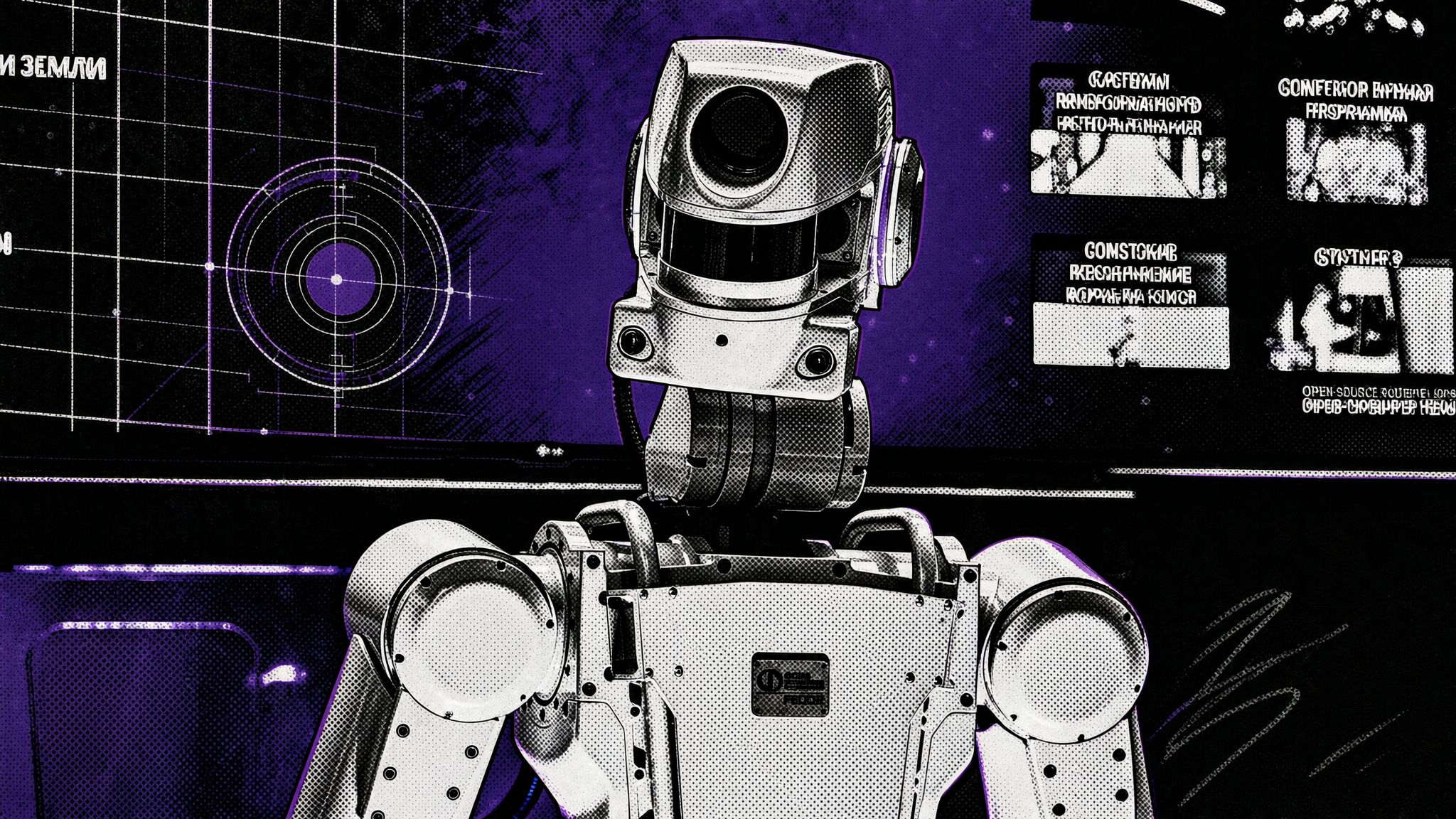
"Where everybody knows your name, and they're always glad you came." That was the theme song of the sitcom Cheers. The show ran from September 30, 1982 to May 20, 1993, with huge ratings, earning 117 Primetime Emmy nominations and winning 28 awards. If you lived through that era, you know Cheers was a cultural phenomenon. But do you remember the Cheers spin-off ads, including an Anchorage branch? There were robots and a lawsuit—the story of that briefly existing, now almost forgotten licensed Cheers bar.
令人匪夷所思的是,安克雷奇竟然存在不止一家“Cheers”酒吧,两家酒吧的经营时间有所重叠,但其合法性却不尽相同。当地第一家“Cheers”酒吧是非官方版本。这家名为“The Eatery”的餐厅于1987年在北极光大道开业。1990年,餐厅进行了翻新,将露台改造成了一家名为“Cheers”的1600平方英尺的酒吧。1990年6月,万豪酒店集团旗下的Host International宣布与派拉蒙影业达成合作,授权其使用“Cheers”品牌名称开设连锁酒吧。几乎与此同时,餐厅扩建工程也正式启动。
Strangely, Anchorage had more than one "Cheers" bar—the two overlapped in operation but differed in legality. The first local "Cheers" bar was an unofficial version. A restaurant called "The Eatery" opened on Northern Lights Boulevard in 1987. In 1990, the restaurant was renovated, converting the patio into a 1,600-square-foot bar called "Cheers." In June 1990, Marriott's Host International announced a partnership with Paramount Pictures to license the "Cheers" brand name for a bar chain. Almost simultaneously, the restaurant expansion officially began.
首家机场“Cheers”主题酒吧于1991年2月5日在底特律都会机场开业。酒吧采用木质和黄铜装饰,力求更好地还原电视剧中的场景。吧台凳、墙壁和点唱机都与剧中如出一辙。酒吧里甚至还有一件泰德·丹森饰演的过气救援投手萨姆·马龙的波士顿红袜队球衣。然后是机器人。电视剧《欢乐酒店》里没有机器人,但在获得授权的“欢乐酒店”酒吧里确实有机器人。在开发过程中,有人认为,如果没有常客,就不能称之为“欢乐酒店”酒吧,这种熟悉感在机场,一个人员流动频繁、瞬息万变的场所,是无法自然复制的。于是,他们用机器人来代替。
The first airport "Cheers" theme bar opened on February 5, 1991 at Detroit Metropolitan Airport. The bar used wood and brass decor, striving to recreate the TV show's scenes. Bar stools, walls, and the jukebox were identical to the show. The bar even had a Boston Red Sox jersey of Ted Danson's washed-up relief pitcher Sam Malone. Then the robots. There were no robots in the Cheers TV show, but there were robots in licensed Cheers bars. During development, someone argued that without regulars, it could not be called a Cheers bar—that familiarity could not naturally replicate in an airport, a place of frequent turnover and constant change. So they used robots as substitutes.
每个机场的“Cheers”酒吧都摆放着两个栩栩如生的电子动画顾客,懒散地倚靠在座位上,这两个人都让人觉得有点眼熟。他们或许看起来有点像克里夫·克拉文和诺姆·彼得森,分别由演员约翰·拉岑贝格和乔治·温特扮演,但他们其实是鲍勃和汉克。没错,这里没有克里夫和诺姆,只有老朋友鲍勃和汉克。这种区别或许包含一些暗示,但就法律而言,这却至关重要。Host International发言人Richard L. Sneed在1993年这样描述他们,他们有点懒散地趴在吧台上,然后每隔几分钟,他们坐直身体,互相看着,进行愉快的对话。一位编剧为此构思了大约30句来回对话。汉克说,医生不是让你注意饮食吗。鲍勃说,我在注意。我正在确保不吃任何健康的东西。气氛就这样定下来了。
Each airport Cheers bar placed two lifelike animatronic customers lounging in their seats, both looking somewhat familiar. They might look a bit like Cliff Clavin and Norm Peterson, played by John Ratzenberger and George Wendt, but they were actually Bob and Hank. Yes, no Cliff and Norm here—only old friends Bob and Hank. This distinction may contain some hints, but legally it was crucial. Host International spokesman Richard L. Sneed described them in 1993: "They sort of slump forward at the bar, and then every few minutes they sit up straight, look at each other and have jovial conversations." A screenwriter conjured about 30 lines like this back and forth. Hank: "Didn't the doc tell you to watch what you eat?" Bob: "I am. I'm watching to make sure I don't eat anything healthy." And thus, an atmosphere was set.
安克雷奇国际机场的分店于1992年6月24日在B大厅旁开业。它提供安克雷奇专属商品、帽子和衬衫。当时还有另外三个分店,底特律、明尼阿波利斯-圣保罗和新西兰基督城。Host International仍然计划在全球开设“Cheers”酒吧。但工作人员对机器人的看法不同。Sally Strong说,那两个假人在说话,后来变得太吵了,所以我就把它关了。最终它们烧坏了,或者内部有什么东西坏了。我问Strong有没有人来修,她回答说,没有,我不想让他们修。
The Anchorage International Airport branch opened on June 24, 1992 by the B concourse. It offered Anchorage-specific merchandise, hats, and shirts. At the time there were three other locations—Detroit, Minneapolis-St. Paul, and Christchurch, New Zealand. Host International still planned Cheers bars around the globe. But staff had different opinions about the robots. Sally Strong said, "Those two dummies were talking, and later on it got to be too much, so I shut it off." Eventually they burned out, or something broke within. I asked Strong if anyone came to fix them, and she replied, "No, I don't want them to fix."
漫长的法律战或许也起了作用。约翰·拉岑贝格和乔治·温特终于注意到了这些,让我们称之为致敬吧,并于1993年初提起诉讼。他们的律师T. Patrick Freydl表示,我们的主张是,派拉蒙的授权并没有涉及引入扮演这些角色的机器人。与此同时,派拉蒙辩称它拥有这些角色,可以随意使用这些肖像,即使这些肖像包括拉岑贝格和温特的脸,或者近似之处。该案于1995年被驳回,上诉后恢复。这一转折又被上诉到最高法院,2000年,最高法院裁定案件可以继续审理。2001年,派拉蒙和Host International与演员们达成和解,和解金额未披露,避免了完整的法庭之战。
The lengthy legal battles perhaps played a role. John Ratzenberger and George Wendt finally noticed the—well, let's call it an homage—and filed suit in early 1993. Their lawyer, T. Patrick Freydl, stated, "It's our contention that the license from Paramount does not address bringing in robots that take on these characters." Meanwhile, Paramount argued it owned the characters and could use those likenesses as seen fit, even if those likenesses included Ratzenberger's and Wendt's faces, or an approximation thereof. The case was dismissed in 1995, reinstated on appeal. This turnaround was, in turn, appealed all the way to the Supreme Court in 2000, which ruled the case could proceed. In 2001, Paramount and Host International settled with the actors for an undisclosed sum, avoiding a full court battle.
到那时,连锁店已经奄奄一息,或许与诉讼无关。截至2000年初,它只剩下四个地点,安克雷奇、拉斯维加斯、孟菲斯和温哥华。2000年代初的某个时候,安克雷奇的分店消失了,在消亡之前几乎被遗忘。机器人比酒吧本身消失得更快。对管理层来说,电子动画功能总是惹麻烦。在诉讼期间,有人指出,它们总是坏。Host发现没有它们,酒吧也照样经营。现在当它们停止说话时,就直接把它们扔掉。尽管如此,我们不能忘记,曾经有一段时间,1980年代情景喜剧角色的机器人化身萦绕在我们的机场里。
By then, the chain was on its last legs, perhaps regardless of the lawsuit. As of early 2000, it was down to four locations—Anchorage, Las Vegas, Memphis, and Vancouver. Sometime in the early 2000s, the Anchorage location disappeared, all but forgotten before its death. The robots faded faster than the bars themselves. For management, the animatronic features were always causing trouble. During the lawsuit, someone noted, "They break all the time. And Host found that the bars did just as well without them. Now when they stop talking, they just throw them away." Still, we must not forget that there was a time when robotic incarnations of 1980s sitcom characters haunted our airports.