
特斯拉首席执行官埃隆·马斯克在第三季度财报电话会议上透露,计划为旗下擎天柱人形机器人建造一座“机器人学校”,保障人工智能训练顺利开展。他表示,公司达成年产100万台机器人的目标,所需时间可能超过一年。马斯克还介绍,想要让擎天柱获取所需训练数据,就必须造出大量早期原型机器人,他认为需要生产一万至两万台机器人,让它们进行自我对练。“我们正在搭建擎天柱学院,让擎天柱练习完成各式各样的任务。之后,我们可以利用这些数据形成飞轮效应,不断提升机器人完成各类任务的能力。”
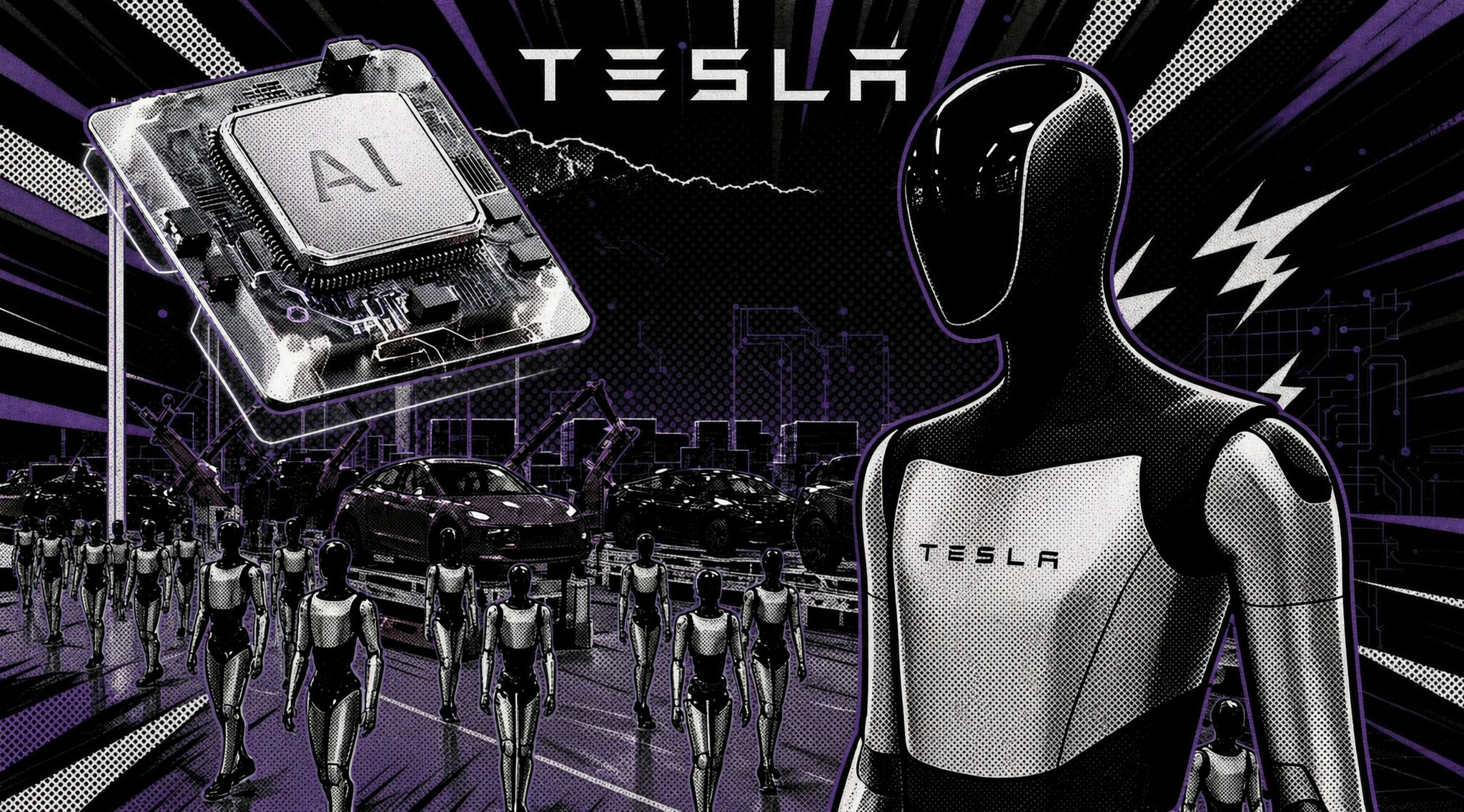
Tesla CEO Elon Musk revealed at the Q3 earnings call that he plans to build a "robot school" for the Optimus humanoid robot to ensure AI training proceeds smoothly. He said the company's goal of annual production of 1 million robots may take more than a year. Musk also introduced that to let Optimus obtain needed training data, large numbers of early prototype robots must be built—he believes 10,000 to 20,000 robots are needed for self-sparring. "We are building the Optimus Academy to let Optimus practice completing various tasks. Afterward, we can use this data to form a flywheel effect, continuously improving the robot's ability to complete various tasks."
这个“机器人学校”的提法,和前面讨论的具身智能训练场是同一个逻辑的不同表现。前面讨论过北京人形数据与训练基地用真实场景做数据采集和模型训练,也讨论过国网天津电力把电缆隧道和电能计量车间改成机器人学校,还讨论过上海推动8000台人形机器人进工厂做实训。这些训练场的共同点是,用真实场景、真实任务、真实数据来训练机器人。马斯克提的Optimus学院,逻辑是一样的,只不过它的训练方式更特殊,让一两万台机器人互相之间进行对练。这个思路和前面讨论的Real-World RSI、Physical RSI是同一个方向,都是让机器人通过大量试错来学习,而不是依赖人工示教。
The "robot school" formulation follows the same logic as the previously discussed embodied intelligence training grounds, just different manifestations. Earlier we discussed Beijing Humanoid Data and Training Base using real scenarios for data collection and model training, State Grid Tianjin Electric Power converting cable tunnels and electric energy metering workshops into robot schools, and Shanghai pushing 8,000 humanoid robots into factories for real-scenario training. These training grounds share a common point—using real scenarios, real tasks, and real data to train robots. Musk's Optimus Academy follows the same logic, except its training method is more special—letting 10,000 to 20,000 robots spar against each other. This approach aligns with the previously discussed Real-World RSI and Physical RSI—letting robots learn through massive trial and error rather than relying on manual teaching.
马斯克还提到,机器人生产有上万项环节必须全部不出差错,整体进度由这上万项里面最慢的一环决定。这句话点出了人形机器人量产的难点。前面讨论过特斯拉Optimus周产已达数百台,年底目标破千,2018年的警告还在耳边。也讨论过特斯拉在2018年Model 3产能地狱中的教训,马斯克当时说,是的,特斯拉的过度自动化是个错误。准确地说,是我的错误。人类被低估了。现在Optimus的量产,马斯克强调的是上万项环节里最慢的一环决定整体进度,这个表述比2018年更务实,也说明他对量产的复杂度有了更清醒的认识。
Musk also mentioned robot production has over 10,000 links that must all go right, with overall progress determined by the slowest link among those 10,000. This sentence points to the difficulty of humanoid robot mass production. Earlier we discussed Tesla Optimus weekly output reaching several hundred units with year-end target breaking 1,000, and the 2018 warning still ringing. We also discussed Tesla's 2018 Model 3 production hell lesson, when Musk said: "Yes, excessive automation at Tesla was a mistake. To be precise, my mistake. Humans are underrated." Now for Optimus mass production, Musk emphasizes the slowest link among 10,000 determines overall progress—a more pragmatic statement than 2018, indicating clearer understanding of mass production complexity.
Terafab芯片工厂项目也值得单独看。马斯克表示,位于奥斯汀的Terafab研发晶圆厂项目正在取得进展,明年上半年启动设备调试,如果一切顺利,大约在五六月份制造首批测试芯片。按照规划,初期月产能为10万片晶圆,后续扩产至每月100万片。Terafab的目标是在2028年第三季度实现某类实用芯片的量产。马斯克对该项目保持乐观,还表示Terafab的经济价值或许能跻身全球前二十国家经济体的水平。Terafab的主要合作方是英特尔,双方将合作采用14A制造工艺。Terafab同时也是特斯拉生产AI5芯片的核心项目,这款芯片将用于驱动擎天柱人形机器人。
The Terafab chip factory project also deserves separate attention. Musk said the Terafab R&D wafer fab project in Austin is making progress, with equipment debugging starting in the first half of next year; if all goes well, first test chips will be manufactured around May or June. Under the plan, initial monthly capacity is 100,000 wafers, later expanding to 1 million wafers per month. Terafab's goal is to achieve mass production of some practical chip in Q3 2028. Musk remains optimistic about the project, saying Terafab's economic value may rank among the world's top 20 national economies. Terafab's main partner is Intel, cooperating on the 14A manufacturing process. Terafab is also Tesla's core project for producing AI5 chips, which will drive Optimus humanoid robots.
Terafab这个项目放在前面讨论的芯片供应链脉络里,是一个值得对照的案例。前面讨论过芯际无限做RISC-V芯片、智元机器人入股锁定国产算力底座,也讨论过蓝思科技参投49亿AI与具身智能基金、宁德时代和紫金矿业同台。这些案例说明,具身智能公司正在往芯片和算力方向布局。特斯拉选择自建芯片工厂,走的是最重的一条路。马斯克说,相比造芯片,去把火箭送上火星会更容易。这句话听起来像玩笑,但它点出了一个事实,芯片制造是人形机器人产业链里门槛最高、周期最长、投入最大的环节之一。特斯拉选择自己做,说明它不想在算力上受制于人。
The Terafab project, placed in the previously discussed chip supply chain thread, is a case worth comparing. Earlier we discussed Xinji Wuxian doing RISC-V chips and AgiBot investing to lock in domestic compute foundations, and Lens Technology participating in a 4.9 billion AI and embodied intelligence fund with CATL and Zijin Mining. These cases indicate embodied intelligence companies are布局 toward chips and compute. Tesla choosing to build its own chip factory takes the heaviest path. Musk said going to Mars with rockets would be easier than making chips. This sounds like a joke, but it points to a fact—chip manufacturing is one of the highest-threshold, longest-cycle, most capital-intensive links in the humanoid robot supply chain. Tesla choosing to do it itself indicates it does not want to be constrained on compute.
还有一条信息值得看,马斯克在X平台上回复网友关于云新创企业的评论时说,前提是它们能把算力设备稳定上线,大规模实现这一点极其困难。这句话和前面讨论的算力基建、数据中心投资是同一个问题。前面讨论过英伟达投资Figure、亚马逊推出物理AI工具链、OpenAI招募机器人岗位,这些公司都在往算力和数据方向砸钱。但马斯克这句话提醒的是,砸钱买GPU是一回事,把几十万上百万块GPU稳定部署、让它们持续运转,是另一回事。韩国云初创企业Elice上市后股价暴跌超30%,澳大利亚一家同类云初创企业取消IPO计划,这些案例说明,算力基建这件事,不是有钱就能做成。
One more piece of information deserves attention—Musk replying to a netizen on X about cloud startups said: "Provided they can get the compute equipment stably online; doing this at scale is extremely difficult." This sentence addresses the same issue as the previously discussed compute infrastructure and data center investment. Earlier we discussed NVIDIA investing in Figure, Amazon launching the Physical AI Toolchain, and OpenAI recruiting robot positions—these companies are all spending money on compute and data. But Musk's sentence reminds us that spending money on GPUs is one thing; stably deploying hundreds of thousands to millions of GPUs and keeping them running is another. Korean cloud startup Elice's stock plunged over 30% after IPO; an Australian同类 cloud startup canceled its IPO plan—these cases indicate compute infrastructure is not something money alone can buy.