
三菱电机宣布,已开发出业界首个使用物理AI协调人形机器人与数控机床的加工系统。按照公司的说法,这套系统设计目标是让人形机器人承担通常由机床操作工处理的工作,从装夹、清洁到成品搬运、检测和故障排查。三菱电机说,这项技术可以减少加工现场所需的人力。这个“业界首创”的说法基于三菱电机自己的研究,范围是围绕人形机器人协作构建的数控系统。
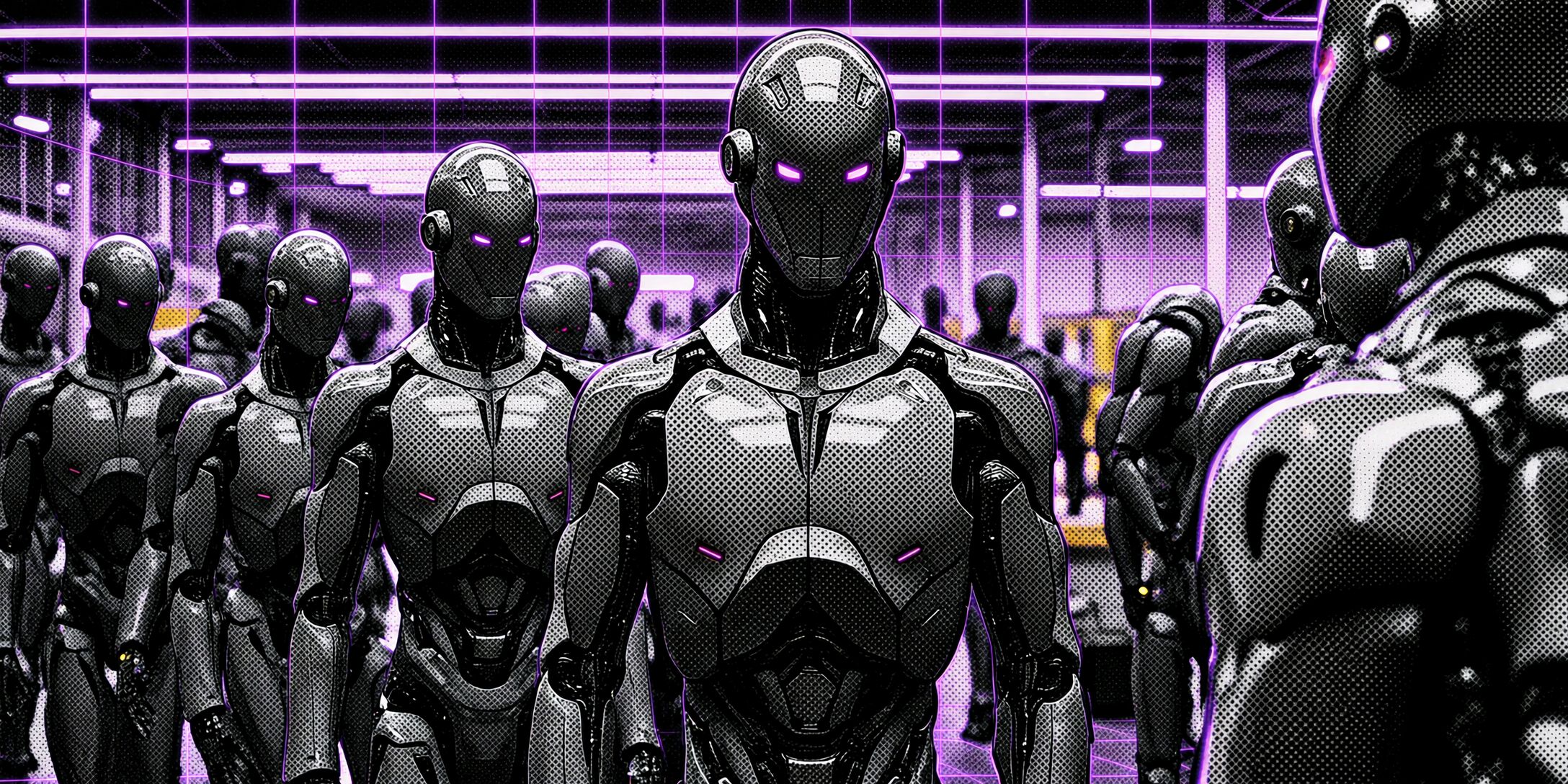
Mitsubishi Electric announced it has developed the industry's first machining system that uses physical AI to coordinate humanoid robots with CNC machine tools. According to the company, the system is designed to let humanoids perform work normally handled by machine-tool operators, from setup and cleaning to moving finished products, inspection, and troubleshooting. Mitsubishi Electric said the technology could reduce the amount of human labor needed at machining sites. The "industry-first" claim is based on the company's own research, covering numerical-control systems built around humanoid robot collaboration.
三菱电机指出,随着行业面临劳动力短缺,制造商希望将更多操作工任务自动化。依赖人体体力的工作,比如把工件放进机器里或者清洁设备,用传统工业机器人自动化成本很高,因为生产线可能需要大幅改造。人形机器人提供了另一种思路,因为它们可以在不需要同等程度改造的情况下完成这些工作。但把人形机器人连接到数控设备一直是个障碍,因为每台机器人都可能需要专门的通信功能和控制序列。
Mitsubishi Electric pointed out that manufacturers are looking to automate more operator tasks as the industry faces a labor shortage. Jobs that depend on human physical capabilities, such as placing a workpiece inside a machine or cleaning equipment, can be expensive to automate with conventional industrial robots because production lines may need substantial modification. Humanoids offer another approach because they could perform those jobs without the same level of retrofitting. But connecting them to CNC equipment has remained a hurdle because each robot can require dedicated communication functions and control sequences.
新系统通过三个主要组件来处理这种协调。AI加工任务规划器,操作员用自然语言给出基本指令,规划器创建所需的加工任务,并在数控机床和人形机器人之间分配工作。物理AI数控机床,机床用自然语言交换运行信息,在加工过程中与人形机器人协调工作。通用人形机器人,机器人执行作为加工过程一部分分配的体力工作。三菱电机说,这套系统可以支持无人加工操作和管理,从基本操作员指令出发,不需要为每个单独机器人做复杂集成。公司最终希望将这项技术用于更自主的制造和完全无人的工厂。演示计划在10月26日于东京有明国际会展中心开幕的第33届日本国际机床展上进行。
The new system handles that coordination through three main components. AI machining task planner: operators give the system basic instructions in natural language; the planner creates the required machining tasks and assigns work between the CNC machine and humanoid robot. Physical AI-enabled CNC machine: the machine exchanges operating information in natural language and coordinates its work with the humanoid during machining. General-purpose humanoid robot: the robot carries out the physical work assigned as part of the machining process. Mitsubishi Electric said the system can support unmanned machining operations and management from basic operator instructions without requiring complex integration for each individual robot. The company ultimately wants to use the technology in more autonomous manufacturing and fully unmanned factories. A demonstration is scheduled for JIMTOF 2026, the 33rd Japan International Machine Tool Fair, beginning October 26 at Tokyo Big Sight.
这个案例值得单独看,因为它和前面讨论的人形机器人进工厂路径有一个关键区别。前面讨论过特斯拉Optimus进自己的工厂、优必选Walker S Lite进一汽-大众做质检、AGCO在赫斯顿工厂试点Digit做分拣和搬运。这些案例里,人形机器人承担的是搬运、分拣、质检这类相对独立的工序。三菱电机这套系统不一样,它把人形机器人直接接进了数控机床的加工流程。机床不是被动等待机器人送料,而是通过自然语言和机器人交换运行信息,协调加工节奏。这个区别的意义在于,人形机器人从“在工厂里干活”变成了“成为机床系统的一部分”。
This case deserves separate attention because it has a key difference from the humanoid robot factory-entry paths discussed earlier. Earlier we discussed Tesla Optimus entering its own factories, UBTECH Walker S Lite entering FAW-Volkswagen for quality inspection, and AGCO piloting Digit for sorting and handling at its Hesston plant. In those cases, humanoid robots undertake relatively independent processes like handling, sorting, and inspection. Mitsubishi Electric's system differs—it connects humanoid robots directly into the CNC machine tool's machining flow. The machine tool does not passively wait for the robot to deliver material; it exchanges operating information with the robot via natural language and coordinates machining rhythm. The significance of this difference is that humanoid robots move from "working in the factory" to "becoming part of the machine tool system."
这套系统的技术路径,和前面讨论的FDE逻辑、当虹科技的自主作业加远程接管、OpenLoong的标准化硬件接口是同一个问题的不同解法。FDE解决的是通用机器人怎么适配具体产线,当虹科技解决的是机器人在复杂环境下怎么稳定干活,OpenLoong解决的是不同机器人硬件怎么共用一套软件平台。三菱电机解决的是人形机器人怎么和已有的工业设备协同工作。它的解法是用自然语言作为人和机器、机器和机器之间的接口。操作员用自然语言下指令,规划器把指令拆成任务,机床和机器人用自然语言交换信息。这个设计的巧妙之处在于,它绕开了每台机器人需要专门通信功能和控制序列的问题,用一套通用的语言接口替代了定制化的集成工作。
The technical path of this system is a different solution to the same problem as the previously discussed FDE logic, Wanghong Technology's autonomous operation plus remote takeover, and OpenLoong's standardized hardware interfaces. FDE solves how general robots adapt to specific production lines; Wanghong Technology solves how robots work stably in complex environments; OpenLoong solves how different robot hardware share one software platform. Mitsubishi Electric solves how humanoid robots collaborate with existing industrial equipment. Its solution uses natural language as the interface between humans and machines, and between machines and machines. Operators issue instructions in natural language, the planner breaks instructions into tasks, and the machine tool and robot exchange information in natural language. The cleverness of this design is that it bypasses the problem of each robot requiring dedicated communication functions and control sequences, replacing customized integration work with a universal language interface.
三菱电机这个案例,放在日本制造业的背景下看,还有一层意义。日本制造业面临严重的劳动力短缺,机床操作工的招聘和留任越来越难。三菱电机选择从机床操作工这个岗位切入,用通用人形机器人承担装夹、清洁、检测这些体力工作,逻辑是直接的。这个选择和前面讨论的AGCO在美国农业机械工厂试点Digit、优必选在中国汽车工厂做质检,是同一个趋势在不同国家的表现。制造业劳动力短缺是全球性问题,人形机器人进工厂的驱动力,不只是技术成熟,更是人力供给的现实压力。
Placed in the context of Japanese manufacturing, Mitsubishi Electric's case has another layer of significance. Japanese manufacturing faces severe labor shortages, with recruitment and retention of machine tool operators becoming increasingly difficult. Mitsubishi Electric chose to enter from the machine tool operator position, using general humanoid robots for physical work including setup, cleaning, and inspection—the logic is direct. This choice, alongside the previously discussed AGCO piloting Digit at a US agricultural machinery factory and UBTECH doing quality inspection at a Chinese auto factory, are manifestations of the same trend in different countries. Manufacturing labor shortage is a global issue; the driving force behind humanoid robots entering factories is not just technology maturity but the real pressure of labor supply.